STATS ABOUT MVP
We have a our v1 MVP released for our community user base to test our platform. Here is more information about the MVP
- Current MVP demonstrates Fast and Secure bridging of Native Bitcoin to Sepolia
- Instant BTC ↔ oBTC ( ozone BTC → xythum bitcoin synthetic ) swap among chains
- Demonstrates FROST based cross chain communication and chain aggregation
- We have over 450 people tested it
- about 200 people tested interface in tenderly FORK and regtest ( we had every control over testnet funds unlimited testnet )
- and rest of other transaction are tested on Real TestNets (bitcoin faucets were limited)
- complets swaps under 5-10 seconds
Here is Live walk through of How swaps are done in Xythum
https://www.youtube.com/watch?v=Wpsv_ZroMqk
V2 MVP (Released for public testing soon)
- reliable websocket and improved latency
- bridge under 5 seconds
- Add more chains and more assets
- and other ui fixes
Note: Currently V2 is about to be released for public testing and V1 will be diabled.
Here is a dump of txs happened in Mainnet through our platform
-
Number of blockchain connected networks
- Bitcoin, sepolia, polygon, base, scroll, optimism, hedera, morph, linea
-
Average bridging speed 10 seconds
-
CallData: 228 bytes cheapest among for existing solutions
- signature aggregation allows xythum have less calldata saving blockspace and executing cheaper txs
- For Bitcoin we use taproot which is 10% cheaper than existing segwit addresses
-
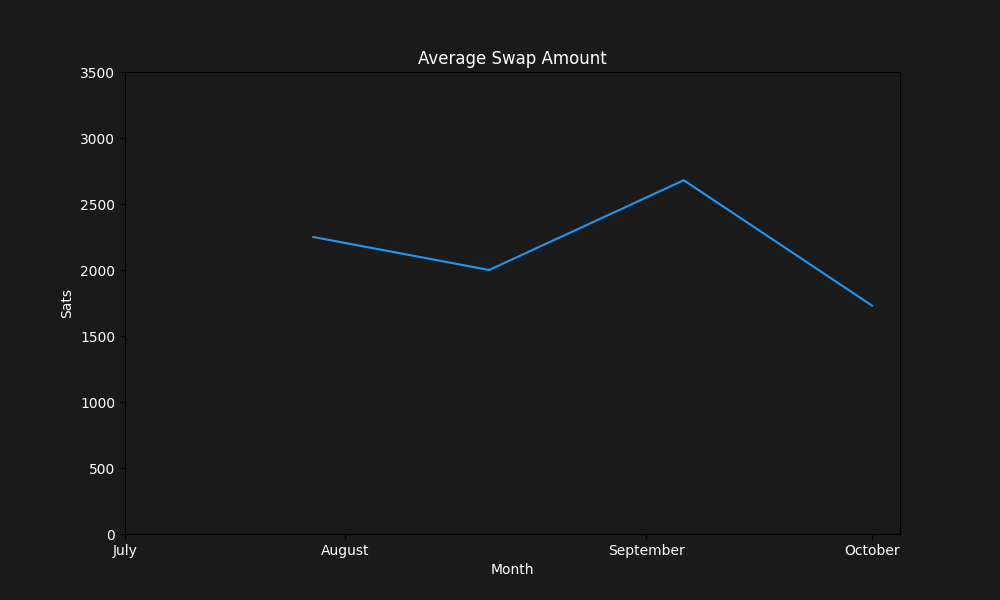
Average Swap Amount: A line chart visualizing the average swap amount over the last 4 months.
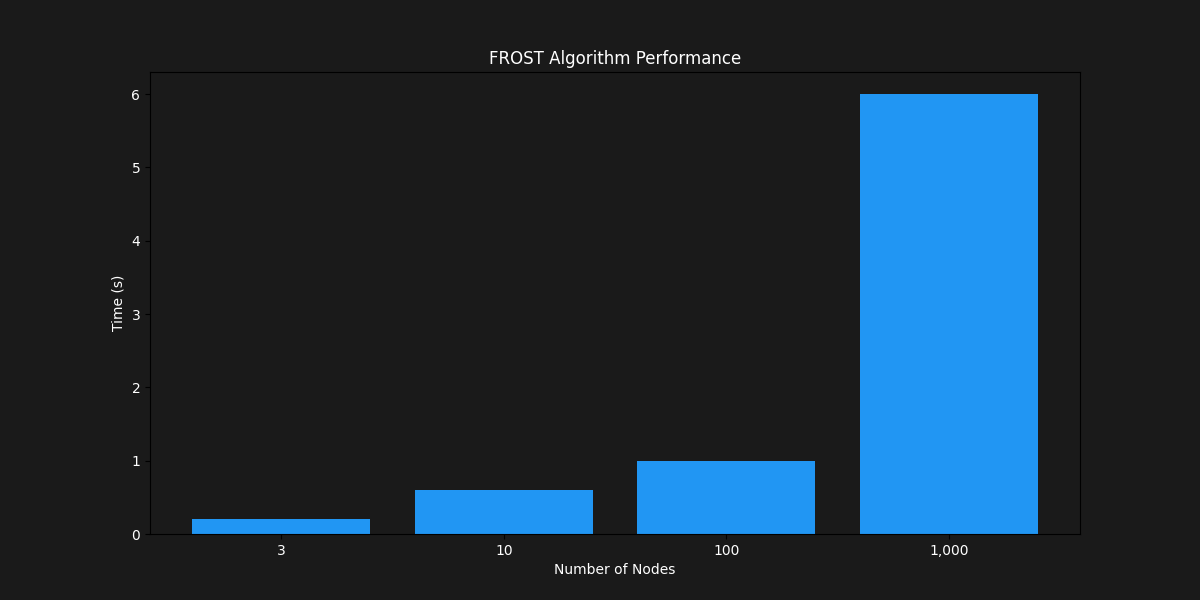
The FROST (Flexible Round-Optimized Schnorr Threshold) algorithm used in the Xythum Labs platform leverages the secp256k1 elliptic curve, which is the same curve used in Bitcoin and Ethereum. The threshold for the FROST scheme is set at 67%, meaning that at least 67% of the participating nodes must successfully sign a transaction for it to be valid.
The performance metrics shown in the graph above were measured on our private AWS execution servers. As the number of nodes increases, the latency of the FROST algorithm also grows, but we have optimized the implementation to keep the performance within acceptable limits. Even with 1,000 nodes, the average processing time is under 6 seconds, which is well within the design goals for our cross-chain communication use cases.
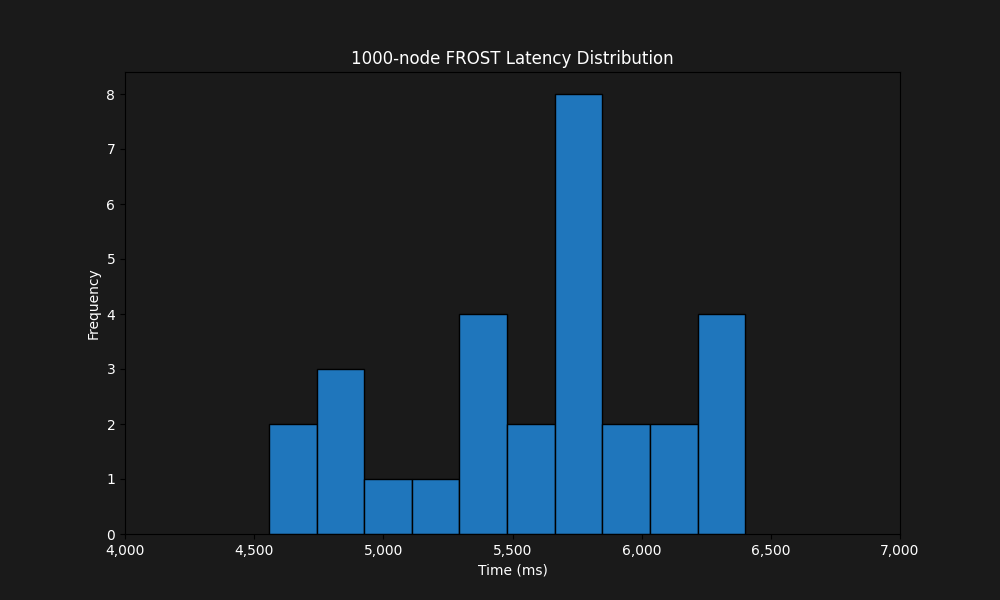
Below Figure shows a Test Trials Conducted over 50 trials on Frost execution and their time stamps
AVERAGE SWAP TIME : 12 seconds
- tweets as Feeback